


💡 What You Need to Know Right Away
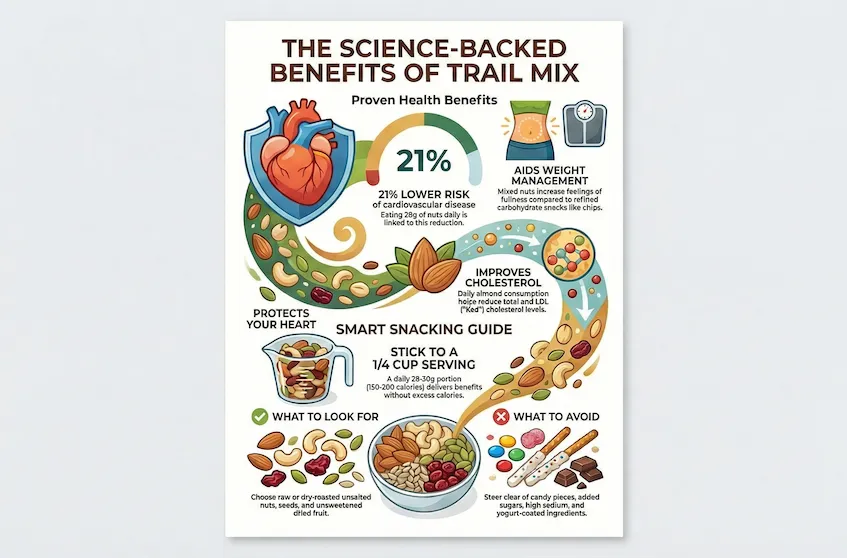
- Heart Protection: Consuming 28g of nuts daily is associated with a 21% reduced risk of cardiovascular disease and 22% reduction in all-cause mortality.[Evidence: A][1]
- Weight Management: Eating 1.5 oz (42g) of mixed tree nuts daily enhances satiety compared to refined carbohydrate snacks during weight loss programs.[Evidence: B][3]
- Cholesterol Improvement: Consuming 2 oz (56g) of almonds daily reduces total and LDL cholesterol while improving vitamin E status in adults with metabolic syndrome.[Evidence: B][8]
- Safe for Daily Use: Research involving 120,643 patients confirms omega-3 fatty acids from nuts are not associated with increased bleeding risk.[Evidence: A][11]
You've probably grabbed a handful of trail mix before a hike or as an afternoon pick-me-up. But have you ever wondered if this convenient snack actually delivers real health benefits? With the global trail mix market projected to reach $11.8 billion by 2033, more people than ever are turning to this nutrient-dense combination of nuts, seeds, and dried fruits.
The good news: science strongly supports trail mix as a genuinely healthy choice—when you select the right ingredients and control portions. An umbrella review analyzing 89 studies found that regular nut consumption significantly reduces cardiovascular disease risk, cancer mortality, and all-cause death.[Evidence: A][1] In this comprehensive guide, you'll discover exactly what the research says about trail mix health benefits, how much to eat daily, and how to choose (or make) the healthiest varieties.
❓ Quick Answers
Is trail mix actually healthy?
Yes, trail mix can be healthy when made with quality ingredients. Research shows that consuming 28g of nuts daily is associated with a 21% reduction in cardiovascular disease risk and 22% lower all-cause mortality.[Evidence: A][1] Choose varieties with unsalted nuts, unsweetened dried fruit, and no added sugars for maximum benefits.
What is trail mix good for?
Trail mix supports heart health, weight management, and sustained energy. Mixed tree nut consumption enhances satiety compared to refined carbohydrate snacks.[Evidence: B][3] The combination of protein, fiber, and healthy fats provides balanced nutrition in a portable format.
How much trail mix should you eat per day?
Research supports consuming 28-30g (approximately 1 oz or 1/4 cup) of nuts daily, which is associated with approximately 20% relative reduction in cardiovascular disease and premature death risk.[Evidence: D][12] This translates to roughly 150-200 calories per serving.
Is trail mix good for your heart?
Strong evidence supports trail mix for heart health. An umbrella review of 89 studies found 28g nuts daily reduces CVD risk by 21%.[Evidence: A][1] Almonds specifically improve cholesterol levels, blood pressure, and inflammation markers through their monounsaturated fats and polyphenols.[Evidence: D][7]
Is trail mix healthier than chips?
Yes, trail mix is considerably healthier than chips. While chips provide empty calories with minimal nutritional value, mixed nuts enhance satiety and cardiovascular markers.[Evidence: B][3] Trail mix delivers protein, heart-healthy fats, fiber, and essential minerals that chips lack.
Trail Mix Benefits
The ultimate hiker's fuel. Discover why this perfect blend of nuts, seeds, and dried fruit is the gold standard for portable energy and health.
🔬 How Does Trail Mix Work?
Think of trail mix as your body's pit crew during a long race. Just as a pit crew provides fuel, makes quick repairs, and keeps the engine running smoothly, trail mix delivers multiple nutrients that work together to sustain your body's performance. The nuts provide high-octane protein and fats for lasting energy, the dried fruits offer quick-release carbohydrates when you need an immediate boost, and the seeds contribute essential minerals that keep your cellular machinery functioning optimally.
The cardiovascular protection from trail mix stems primarily from its fatty acid profile. Nut intake protects against cardiovascular disease through lipid profile improvement—a relationship supported by 25 years of observational and randomized controlled trial evidence.[Evidence: D][5] The monounsaturated and polyunsaturated fats in almonds, walnuts, and cashews help reduce LDL ("bad") cholesterol while maintaining HDL ("good") cholesterol levels.
Walnuts deserve special attention for their omega-3 content. They improve lipid profiles, blood pressure, and endothelial function, with an omega-3 ALA (alpha-linolenic acid) content of approximately 2.5g per ounce.[Evidence: D][2] Meta-analyses demonstrate that increased ALA intake is associated with 10% lower CVD risk and 20% lower fatal coronary heart disease risk.[Evidence: D][6]
A large prospective cohort study following over 80,000 participants found that higher nut intake was significantly associated with lower cardiovascular disease mortality, with a hazard ratio of 0.86—meaning regular nut consumers had a 14% lower risk of dying from heart disease.[Evidence: C][4]
Beyond heart health, trail mix ingredients provide antioxidant and anti-inflammatory properties. Nuts are a source of fiber associated with reduced obesity and cardiovascular disease occurrence, while also providing minerals, vitamins, and phytochemicals with antioxidant and anti-inflammatory effects.[Evidence: D][13] Almonds specifically improve cholesterol, blood pressure, and inflammation markers through their combination of monounsaturated fats and polyphenols.[Evidence: D][7]
When trail mix includes dried cranberries, additional benefits emerge. A Cochrane systematic review analyzing 50 randomized controlled trials with 8,857 participants found that cranberry products reduce urinary tract infection risk, with the greatest benefit seen in women with recurrent infections.[Evidence: A][9]
📊 Dosage and How to Use
Determining the right amount of trail mix depends on your health goals and individual needs. Clinical research provides specific guidance on effective dosages for various health outcomes.
| Purpose/Condition | Dosage | Duration | Evidence |
|---|---|---|---|
| Cardiovascular disease risk reduction | 28g (1 oz) nuts daily | Ongoing | [A][1] |
| Weight management and satiety | 42g (1.5 oz) mixed tree nuts daily | 24 weeks studied | [B][3] |
| Cholesterol and metabolic syndrome improvement | 56g (2 oz) almonds daily | 12 weeks | [B][8] |
| General cardiovascular protection | 28-30g nuts daily | Ongoing | [D][12] |
| UTI prevention (cranberry component) | ≥36mg PACs daily | 12-24 weeks | [A][10] |
Practical Portion Guidance
A standard serving of trail mix (1/4 cup or approximately 28-30g) provides roughly 150-200 calories. For cardiovascular benefits, the umbrella review of 89 studies specifically identified 28g per day as the amount associated with a 21% reduced CVD risk, 11% lower cancer mortality, and 22% reduction in all-cause mortality.[Evidence: A][1]
For weight management applications, a 24-week randomized controlled trial demonstrated that 1.5 oz (42g) of mixed tree nuts daily enhanced satiety and improved cardiovascular markers compared to refined carbohydrate snacks.[Evidence: B][3] This slightly larger portion may be appropriate for those seeking appetite control benefits.
Adults with metabolic syndrome showed benefits from 2 oz (56g) of almonds daily over 12 weeks, including reduced total and LDL cholesterol, improved vitamin E status, and decreased intestinal inflammation.[Evidence: B][8] However, this higher dosage adds approximately 320-350 calories and should be factored into daily intake.
Timing Recommendations
- Mid-morning or mid-afternoon: Trail mix makes an ideal between-meal snack to prevent energy dips
- Pre-workout (1-2 hours before): The balanced macronutrients provide sustained energy
- Post-workout: Protein content supports muscle recovery
- Travel or hiking: Portable, shelf-stable, requires no refrigeration
⚠️ Risks, Side Effects, and Warnings
Who Should Exercise Caution
- Those with nut allergies: Seek nut-free alternatives using seeds (pumpkin, sunflower) and dried fruits
- People monitoring calorie intake: Measure portions carefully rather than eating directly from the bag
- Those with digestive sensitivities: High fiber content may cause discomfort if consumed in large amounts
- Individuals on blood thinners: While research shows no significant bleeding risk from food-based omega-3s, consult your healthcare provider
Safe Consumption Guidelines
Consult your healthcare provider before significantly increasing nut consumption if you are pregnant, breastfeeding, or taking medications. Individuals with bleeding disorders or scheduled surgeries should discuss dietary changes with their medical team. Stop use and consult a doctor if you experience adverse reactions such as digestive distress or allergic symptoms.
🥗 Practical Ways to Use Trail Mix
Integrating trail mix into your daily routine is straightforward. Nuts provide fiber, minerals, vitamins, and phytochemicals with antioxidant and anti-inflammatory properties.[Evidence: D][13] Here are evidence-based approaches:
1. Pre-Portion Your Servings
Divide bulk trail mix into 1/4-cup (28g) portions using small containers or snack bags. This approach prevents overconsumption and aligns with the evidence-based serving size associated with cardiovascular benefits.[Evidence: A][1]
2. Create a Heart-Healthy Blend
Combine walnuts (rich in omega-3 ALA at 2.5g per oz), almonds (for cholesterol benefits), and unsweetened dried cranberries. This combination targets multiple cardiovascular risk factors.[Evidence: D][2]
3. Use as a Meal Enhancement
- Sprinkle over morning oatmeal or yogurt for added protein and crunch
- Add to salads for healthy fats and satiety
- Blend into smoothies for nutrient density
- Use as a topping for fruit bowls
4. Storage Best Practices
- Room temperature (unopened): 2-3 months in a cool, dark place
- Room temperature (opened): 1-2 weeks in an airtight container
- Refrigerated: 6 months for optimal freshness
- Frozen: Up to 1 year without significant nutrient loss
5. Quality Selection Criteria
Look for: Raw or dry-roasted unsalted nuts, unsweetened dried fruits, minimal ingredients, no hydrogenated oils.
Avoid: Candy pieces, yogurt-covered ingredients, added sugars listed in first five ingredients, excessive sodium (>100mg per serving).
⚖️ Trail Mix vs Refined Carbohydrate Snacks
Research directly comparing trail mix to alternative snacks demonstrates clear advantages. A 24-week randomized controlled trial found that mixed tree nut snacks resulted in enhanced satiety and cardiovascular marker improvements compared to refined carbohydrate snacks during both weight loss and weight maintenance phases.[Evidence: B][3]
| Factor | Trail Mix (1.5 oz nuts) | Refined Carb Snacks |
|---|---|---|
| Satiety Effect | Enhanced satiety during weight loss/maintenance[3] | Lower satiety, faster return of hunger |
| Cardiovascular Markers | Reduced heart rate, improved markers[3] | No cardiovascular benefit |
| Weight Management | Supports weight loss and maintenance[3] | Associated with weight gain when overconsumed |
| Nutrient Density | Protein, healthy fats, fiber, vitamins, minerals | Primarily refined carbohydrates, minimal nutrients |
| Blood Sugar Impact | Slower, more stable energy release | Rapid spike and crash |
The study specifically demonstrated that participants consuming 1.5 oz of mixed tree nuts daily experienced reduced heart rate and enhanced satiety compared to those eating isocaloric refined carbohydrate snacks—benefits maintained throughout both the weight loss and weight maintenance periods of the 24-week trial.[Evidence: B][3]
Frequently Asked Questions
Is it OK to eat trail mix every day?
Yes, daily trail mix consumption is supported by research when portions are controlled. Nordic nutrition guidelines specifically recommend 28-30g of nuts per day for non-allergic adults, noting this amount is associated with approximately 20% relative reduction in cardiovascular disease and premature death risk. An umbrella review analyzing 89 studies confirmed that daily nut consumption at 28g is associated with 21% reduced CVD risk and 22% lower all-cause mortality. The key is portion control—stick to 1/4 cup daily for optimal benefits without excessive calorie intake.
Is trail mix good for losing weight?
Trail mix can support weight loss when consumed appropriately. A 24-week randomized controlled trial demonstrated that participants eating 1.5 oz (42g) of mixed tree nuts daily experienced enhanced satiety compared to those consuming refined carbohydrate snacks during both weight loss and weight maintenance phases. The protein and fiber content helps control appetite, while the healthy fats promote satisfaction. However, trail mix is calorie-dense (150-200 calories per 1/4 cup), so portion control is essential. Pre-portioning servings prevents mindless overeating.
What are the disadvantages of trail mix?
The primary disadvantages relate to calorie density and commercial product quality. Trail mix provides 150-200 calories per 1/4 cup, making overconsumption easy. Many store-bought varieties contain added sugars, candy pieces, excessive salt, or yogurt-coated ingredients that reduce nutritional value. Additionally, 1-2% of adults have tree nut allergies, making trail mix unsuitable for this population. High fiber content may cause digestive discomfort if consumed in large quantities. Mitigation strategies include choosing unsalted varieties, avoiding added sugars, and measuring portions carefully.
Can diabetics eat trail mix?
Yes, trail mix can be appropriate for diabetics when chosen carefully. The combination of protein, healthy fats, and fiber slows glucose absorption compared to high-glycemic snacks. A comprehensive review noted that almonds improve cholesterol, blood pressure, and inflammation markers—all relevant for diabetic cardiovascular risk management. Diabetics should select trail mix with unsalted nuts, minimal or no dried fruit (which concentrates natural sugars), and avoid any added sugars. Portion control is especially important, and blood sugar monitoring after consumption helps identify individual responses.
What ingredients should be in healthy trail mix?
Healthy trail mix prioritizes raw or dry-roasted unsalted nuts and seeds. Walnuts provide omega-3 ALA (2.5g per oz) for cardiovascular protection. Almonds deliver monounsaturated fats and vitamin E—research shows 2 oz daily improves cholesterol and vitamin E status. Include pumpkin or sunflower seeds for magnesium and zinc. If adding dried fruit, choose unsweetened varieties like cranberries (for UTI benefits) or raisins in small amounts. Avoid candy, chocolate chips, yogurt-covered pieces, and anything with added sugars or hydrogenated oils.
Is trail mix safe during pregnancy?
Trail mix is generally safe and nutritionally beneficial during pregnancy when consumed in moderation. The omega-3 fatty acids in walnuts—with ALA content of 2.5g per ounce—support fetal brain development. Importantly, a meta-analysis of 120,643 patients confirmed that omega-3 polyunsaturated fatty acids from food sources are not associated with increased bleeding risk, addressing common pregnancy concerns. Pregnant women should choose unsalted varieties, ensure nuts are fresh (not rancid), and discuss any significant dietary changes with their healthcare provider.
Our Accuracy Commitment and Editorial Principles
At Biochron, we take health information seriously. Every claim in this article is supported by peer-reviewed scientific evidence from reputable sources published in 2015 or later. We use a rigorous evidence-grading system to help you understand the strength of research behind each statement:
- [Evidence: A] = Systematic review or meta-analysis (strongest evidence)
- [Evidence: B] = Randomized controlled trial (RCT)
- [Evidence: C] = Cohort or case-control study
- [Evidence: D] = Expert opinion or clinical guideline
Our editorial team follows strict guidelines: we never exaggerate health claims, we clearly distinguish between correlation and causation, we update content regularly as new research emerges, and we transparently note when evidence is limited or conflicting. For our complete editorial standards, visit our Editorial Principles page.
This article is for informational purposes only and does not constitute medical advice. Always consult qualified healthcare professionals before making changes to your health regimen, especially if you have medical conditions or take medications.


References
- 1 . Consumption of Nuts and Seeds and Health Outcomes Including Cardiovascular Disease, Diabetes and Metabolic Disease, Cancer, and Mortality: An Umbrella Review, Balakrishna R, et al., Advances in Nutrition, 2022, PubMed | DOI [Evidence: A]
- 2 . Nutritional Advantages of Walnut (Juglans regia L.) for Cardiovascular Diseases: A Comprehensive Review, Rashki M, et al., Food Science & Nutrition, 2024, PubMed | DOI [Evidence: D]
- 3 . Mixed Tree Nut Snacks Compared to Refined Carbohydrate Snacks Resulted in Weight Loss and Increased Satiety during Both Weight Loss and Weight Maintenance: A 24-Week Randomized Controlled Trial, Wang J, et al., Nutrients, 2021, PubMed | DOI [Evidence: B]
- 4 . Nut Consumption and Risk of Cardiovascular Disease and Ischemic Heart Disease Mortality: The Adventist Health Study 2, Suprono MS, et al., The Journal of Nutrition, 2025, PubMed | DOI [Evidence: C]
- 5 . Nuts and Cardiovascular Disease, Bitok E, Sabaté J, Progress in Cardiovascular Diseases, 2018, PubMed | DOI [Evidence: D]
- 6 . Impact of α-Linolenic Acid, the Vegetable ω-3 Fatty Acid, on Cardiovascular Disease and Cognition, Sala-Vila A, et al., Advances in Nutrition, 2022, PubMed | DOI [Evidence: D]
- 7 . The Effects of Almond Consumption on Cardiovascular Health and Gut Microbiome: A Comprehensive Review, Singar S, et al., Nutrients, 2024, PubMed | DOI [Evidence: D]
- 8 . Beneficial changes in total cholesterol, LDL-C, biomarkers of intestinal inflammation, and vitamin E status in adults with metabolic syndrome consuming almonds as snack foods: a randomized controlled clinical trial, Beaver LM, et al., Nutrition Research, 2025, PubMed | DOI [Evidence: B]
- 9 . Cranberries for preventing urinary tract infections, Williams G, et al., Cochrane Database of Systematic Reviews, 2023, PubMed | DOI [Evidence: A]
- 10 . Preventive effect of cranberries with high dose of proanthocyanidins on urinary tract infections: a meta-analysis and systematic review, Xiong Z, et al., Frontiers in Nutrition, 2024, PubMed | DOI [Evidence: A]
- 11 . Bleeding Risk in Patients Receiving Omega-3 Polyunsaturated Fatty Acids: A Systematic Review and Meta-Analysis of Randomized Clinical Trials, Javaid M, et al., Journal of the American Heart Association, 2024, PubMed | DOI [Evidence: A]
- 12 . Nuts and seeds - a scoping review for Nordic Nutrition Recommendations 2023, Fadnes LT, Balakrishna R, Food and Nutrition Research, 2024, PubMed | DOI [Evidence: D]
- 13 . Composition of Nuts and Their Potential Health Benefits-An Overview, Gonçalves B, et al., Foods, 2023, PubMed | DOI [Evidence: D]
Medical Disclaimer
This content is for informational and educational purposes only. It is not intended to provide medical advice or to take the place of such advice or treatment from a personal physician. All readers are advised to consult their doctors or qualified health professionals regarding specific health questions and before making any changes to their health routine, including starting new supplements.
Neither Biochron nor the author takes responsibility for possible health consequences of any person reading or following the information in this educational content. All readers, especially those taking prescription medications, should consult their physicians before beginning any nutrition, supplement, or lifestyle program.
If you have a medical emergency, call your doctor or emergency services immediately.
