


Camelina oil, extracted from Camelina sativa seeds (also known as "false flax" or "gold-of-pleasure"), is rich in omega-3 fatty acids and vitamin E. Research suggests it may support heart health by reducing cholesterol and triglycerides, provide anti-inflammatory benefits, and offer a favorable fatty acid profile for cardiovascular wellness.
If you've been searching for a plant-based omega-3 source with solid scientific backing, you're in the right place. This comprehensive guide examines 9 evidence-based benefits of camelina oil, drawing from 12 peer-reviewed studies including 3 meta-analyses and 6 randomized controlled trials. You'll discover how much to take, who should be cautious, and how camelina oil compares to other popular oils.
Whether you're looking to support heart health, manage cholesterol, or simply find a versatile cooking oil with nutritional benefits, this guide provides the research-backed answers you need.
❓ Quick Answers
What is camelina oil good for?
Camelina oil is primarily beneficial for cardiovascular health. A meta-analysis of 7 randomized controlled trials found that 20 g/day significantly improved total cholesterol, particularly in studies lasting 8 weeks or longer.[Evidence: A][1] It may also support liver health in individuals with nonalcoholic fatty liver disease.[Evidence: B][4]
Does camelina oil have omega-3?
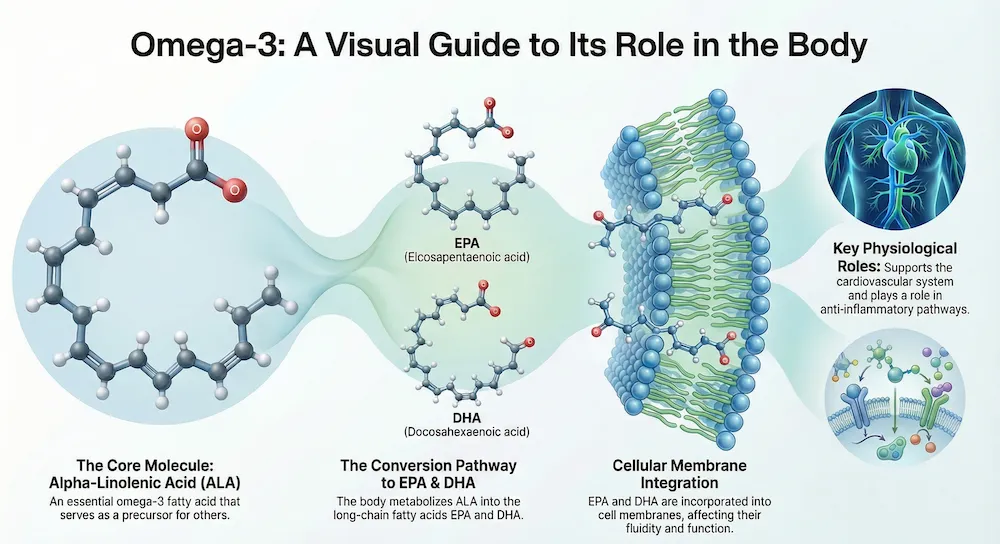
Yes, camelina oil is rich in alpha-linolenic acid (ALA), a plant-based omega-3 fatty acid. Clinical studies confirm that camelina oil consumption significantly elevates serum ALA levels in both older adults and younger populations.[Evidence: B][5] This ALA content is the primary driver of camelina oil's cardiovascular benefits.
How much camelina oil should I take daily?
Clinical studies have used dosages ranging from 10-30 g/day. The meta-analysis identified 20 g/day (approximately 1.5 tablespoons) as the optimal dosage for cholesterol improvement over 8+ weeks.[Evidence: A][1] For those with impaired glucose metabolism, 10 g/day showed significant benefits.[Evidence: B][7]
Is camelina oil safe to take?
Camelina oil demonstrates a favorable safety profile. A 90-day toxicity study established a No Observable Adverse Effect Level (NOAEL) greater than 3.68 g/kg body weight with no observable toxicity.[Evidence: C][11] However, those with metabolic syndrome should use caution as one study noted adverse glucose effects.[Evidence: B][3]
Can you cook with camelina oil?
Yes, camelina oil has a relatively high smoke point compared to other omega-3-rich oils like flaxseed oil. Its stability makes it suitable for light sautéing, baking, and especially cold applications like salad dressings. The oil has a mild, slightly nutty flavor that complements many dishes without overpowering them.
🔬 How Does Camelina Oil Work?
Understanding how camelina oil benefits your body requires looking at its primary active compound: alpha-linolenic acid (ALA). Think of ALA as a master key that unlocks multiple doors to cardiovascular health—it doesn't just work on one pathway but influences several interconnected systems in your body.
When you consume camelina oil, ALA enters your bloodstream and begins influencing lipid metabolism. A meta-analysis of 7 randomized controlled trials with 428 participants found that camelina oil at 20 g/day significantly improved total cholesterol levels, with the greatest effects seen in studies lasting 8 weeks or longer.[Evidence: A][1]
At the cellular level, camelina oil works like a protective shield around your blood vessels. Research shows that camelina oil decreases the binding of lipoproteins to aortic proteoglycans—essentially reducing the "stickiness" that allows cholesterol to accumulate in artery walls. This occurs primarily through LDL-C reduction, with additional improvements observed in HDL particle functionality.[Evidence: B][6]
The anti-inflammatory pathway is another mechanism of action. A systematic review and meta-analysis found that ALA supplementation significantly reduced C-reactive protein (CRP), a key marker of systemic inflammation, along with triglycerides. It also lowered systolic blood pressure in overweight and obese individuals.[Evidence: A][8]
However, the evidence on inflammation is nuanced. A comprehensive meta-analysis of 25 RCTs found no significant effect of ALA on inflammatory markers like TNF, IL-6, or sICAM-1, and paradoxically noted increased CRP in healthy individuals.[Evidence: A][10] This suggests the anti-inflammatory benefits may be most pronounced in those with existing inflammation or metabolic dysfunction.
For liver health, camelina oil appears to work through multiple pathways. A 12-week study in 46 NAFLD patients showed that 20 g/day improved not only lipid profiles but also liver enzymes and adiponectin—a hormone that helps regulate glucose and fatty acid metabolism.[Evidence: B][4]
In postmenopausal women with dyslipidemia, 30 g/day of camelina oil for 6 weeks reduced LDL cholesterol by approximately 15 mg/dL and decreased waist circumference, indicating potential benefits for both cardiovascular and metabolic health.[Evidence: B][2]
A narrative review further supports these mechanisms, noting that ALA favorably affects LDL-C and triglycerides in both adult and pediatric populations, with protective effects against hypertension.[Evidence: D][9]
📊 Dosage and How to Use Camelina Oil
Determining the right dosage of camelina oil depends on your health goals and individual circumstances. Clinical research provides clear guidance based on specific populations and outcomes studied.
| Purpose/Condition | Dosage | Duration | Evidence |
|---|---|---|---|
| General cardiovascular health / cholesterol improvement | 20 g/day (~1.5 tablespoons) | 8+ weeks | [A][1] |
| Postmenopausal women with dyslipidemia | 30 g/day (~2 tablespoons) | 6 weeks | [B][2] |
| Impaired fasting glucose / pre-diabetes | 10 g/day (~2 teaspoons) | 12 weeks | [B][7] |
| Nonalcoholic fatty liver disease (with weight loss diet) | 20 g/day | 12 weeks | [B][4] |
| Omega-3 supplementation in older adults | 35 g enriched crackers twice daily | 12 weeks | [B][5] |
Key Dosage Insights
The meta-analysis of 7 RCTs identified 20 g/day as the optimal dosage for cholesterol improvement, with the greatest effects observed in studies lasting 8 weeks or longer.[Evidence: A][1] This translates to approximately 1.5 tablespoons daily.
For those with impaired fasting glucose, a lower dose of 10 g/day proved effective at reducing total and LDL cholesterol over 12 weeks. Notably, this study found camelina oil superior to fish oil for this specific population.[Evidence: B][7]
Older adults showed significant increases in serum ALA levels when consuming camelina oil-enriched crackers (35 g twice daily) for 12 weeks, with trends toward improved cholesterol and triglycerides, though not statistically significant.[Evidence: B][5]
Practical Tips for Use
- Start low: Begin with 10 g/day (about 2 teaspoons) and gradually increase to assess tolerance
- Consistency matters: Most benefits were seen with daily use over 6-12 weeks
- Maximum studied dose: 30 g/day in postmenopausal women; higher doses have not been clinically evaluated
- With or without food: Studies did not specify timing, but taking with meals may improve absorption and reduce digestive discomfort
⚠️ Risks, Side Effects, and Warnings
Safety Profile
Toxicology research supports the safety of camelina oil at typical dietary doses. An acute and subchronic oral toxicity study established a No Observable Adverse Effect Level (NOAEL) greater than 3.68 g/kg body weight, with no observable toxicity over a 90-day period in animal models.[Evidence: C][11]
Additional safety data comes from veterinary research showing camelina oil is safe for dietary use, with no significant differences compared to flax or canola oils across multiple health parameters.[Evidence: C][12]
Who Should Use Caution
- Individuals with metabolic syndrome: One study showed adverse glucose metabolism effects in this population[3]
- Those on blood-thinning medications: Omega-3 fatty acids may have mild anticoagulant effects (general omega-3 research; not specific to camelina)
- Pregnant or breastfeeding women: No specific studies available; consult healthcare provider
- Children: No pediatric dosing studies available
Data Gaps
Note: Specific safety data for pregnancy/lactation and drug interactions with camelina oil requires additional research. The gaps identified include: pregnancy/lactation safety, specific drug interactions, long-term efficacy beyond 12 weeks, and pediatric dosing. Always consult a qualified healthcare professional before starting supplementation.
🥗 Practical Ways to Use Camelina Oil
Incorporating camelina oil into your daily routine is straightforward once you understand its culinary versatility and stability characteristics.
Culinary Applications
- Salad dressings: Camelina oil's mild, nutty flavor makes it excellent for vinaigrettes and dressings. Combine with balsamic vinegar, lemon juice, and herbs for a heart-healthy option.
- Drizzling: Use as a finishing oil on soups, roasted vegetables, or grains to preserve its omega-3 content while adding flavor.
- Light sautéing: Suitable for low-to-medium heat cooking. Avoid high-heat frying to preserve the beneficial fatty acids.
- Baking: Substitute for other oils in baked goods at a 1:1 ratio. Works well in muffins, quick breads, and cookies.
- Smoothies: Add 1-2 teaspoons to smoothies for an omega-3 boost without significantly altering taste.
Daily Integration Strategies
- Morning routine: Add to oatmeal, yogurt, or morning smoothie
- Lunch option: Use in homemade salad dressing (mix 2 tbsp camelina oil, 1 tbsp lemon juice, salt, pepper)
- Dinner finishing: Drizzle over completed dishes just before serving
Storage and Quality Tips
- Store properly: Keep in a cool, dark place or refrigerate after opening to prevent oxidation
- Check packaging: Choose cold-pressed, unrefined options in dark glass bottles when possible
- Use within timeframe: Consume within 6-12 months of opening for optimal freshness
- Quality indicators: Fresh camelina oil should have a mild, pleasant aroma; discard if it smells rancid or overly bitter
⚖️ Camelina Oil vs. Other Oils
Understanding how camelina oil compares to other popular omega-3 sources helps you make informed decisions based on your specific health goals and dietary preferences.
| Feature | Camelina Oil | Flaxseed Oil | Fish Oil |
|---|---|---|---|
| Primary Omega-3 | ALA (plant-based) | ALA (plant-based) | EPA/DHA (marine) |
| Evidence for Lipid Improvement | Strong (Level A/B)[1][7] | Moderate | Strong |
| Cooking Stability | Good (medium heat) | Poor (low heat only) | Not for cooking |
| Taste | Mild, nutty | Strong, bitter | Fishy |
| Vegetarian/Vegan | Yes | Yes | No |
| Shelf Stability | Better than flax | Poor | Moderate |
Camelina Oil vs. Fish Oil
A key finding from clinical research: in subjects with impaired fasting glucose, 10 g/day of camelina oil for 12 weeks reduced total and LDL cholesterol, performing superior to fish oil for this specific population with favorable lipid ratios.[Evidence: B][7]
While fish oil provides direct EPA and DHA, camelina oil's ALA must be converted by the body (with limited efficiency). However, camelina oil offers advantages for those avoiding animal products, preferring culinary versatility, or seeking a more stable oil for cooking applications.
Camelina Oil vs. Flaxseed Oil
Both oils are rich in ALA, but camelina oil offers superior stability due to its natural antioxidant content (vitamin E/tocopherols). Flaxseed oil is more prone to oxidation and should never be heated, while camelina oil can tolerate light cooking. The taste profile of camelina oil is also generally more palatable for culinary use.
When to Choose Camelina Oil
- You want a plant-based omega-3 source with cooking versatility
- You have impaired glucose metabolism (research showed superior results vs. fish oil)[7]
- You prefer a milder taste than flaxseed oil
- You're vegetarian or vegan
- You want better shelf stability than flaxseed oil
Frequently Asked Questions
Is camelina oil better than fish oil?
It depends on your specific situation. For individuals with impaired fasting glucose, research shows camelina oil may actually be superior. A 12-week randomized controlled trial found that 10 g/day of camelina oil reduced total and LDL cholesterol more effectively than fish oil in this population, with favorable lipid ratios.[Evidence: B][7] However, fish oil provides direct EPA and DHA (which don't require conversion), making it potentially more effective for certain cardiovascular outcomes. Camelina oil is the better choice for vegetarians, those who want cooking versatility, or those who cannot tolerate fish oil's taste. The two can also be complementary rather than mutually exclusive.
What are the side effects of camelina oil?
Camelina oil is generally well-tolerated with a favorable safety profile. Toxicity studies established a No Observable Adverse Effect Level (NOAEL) greater than 3.68 g/kg body weight with no observable toxicity over 90 days.[Evidence: C][11] However, one important caution: a 6-month study in hypertensive patients with metabolic syndrome found that while camelina oil increased omega-3 blood levels, it adversely affected glucose metabolism in this specific population.[Evidence: B][3] Additionally, a meta-analysis noted paradoxically increased CRP (an inflammatory marker) in healthy individuals supplementing with ALA.[Evidence: A][10] Potential side effects may include digestive discomfort if taken in large amounts.
What is the omega-3 to omega-6 ratio in camelina oil?
Camelina oil has a favorable omega-3 to omega-6 ratio of approximately 2:1 to 2.5:1. This is notable because most modern diets contain excessive omega-6 relative to omega-3, with ratios often exceeding 15:1 or 20:1. Camelina oil's composition makes it one of the few culinary oils that can help improve this balance. The primary omega-3 is alpha-linolenic acid (ALA), which clinical studies confirm significantly elevates serum ALA levels when consumed regularly.[Evidence: B][5] The omega-6 content is primarily linoleic acid. This balanced ratio contributes to camelina oil's cardiovascular benefits observed in clinical trials.
Is camelina oil good for skin?
Camelina oil's fatty acid profile suggests potential benefits for skin health, though direct clinical evidence is limited. The oil is rich in alpha-linolenic acid (ALA), linoleic acid, and vitamin E (tocopherols)—all compounds associated with skin barrier function and hydration in dermatological research. The vitamin E content provides antioxidant protection. For topical use, camelina oil's lighter texture compared to some plant oils makes it suitable for facial application. However, the clinical studies reviewed focused on cardiovascular outcomes rather than dermatological benefits. If you're specifically seeking skin benefits, research on the oil's topical application remains an area requiring further investigation.
How do you store camelina oil?
Proper storage is essential to preserve camelina oil's beneficial fatty acids and prevent oxidation. Store in a cool, dark place away from direct sunlight and heat sources. Refrigeration after opening is recommended to extend shelf life, though the oil may become slightly cloudy when cold (this is normal and does not affect quality—it will clarify at room temperature). Use within 6-12 months of opening for optimal freshness. Choose products in dark glass bottles when possible, as light accelerates oxidation. Signs of spoiled oil include a strong, unpleasant odor, bitter taste, or sticky texture. Camelina oil is more stable than flaxseed oil due to its natural tocopherol (vitamin E) content, but still requires proper handling to maintain its nutritional benefits.
Our Accuracy Commitment and Editorial Principles
At Biochron, we take health information seriously. Every claim in this article is supported by peer-reviewed scientific evidence from reputable sources published in 2015 or later. We use a rigorous evidence-grading system to help you understand the strength of research behind each statement:
- [Evidence: A] = Systematic review or meta-analysis (strongest evidence)
- [Evidence: B] = Randomized controlled trial (RCT)
- [Evidence: C] = Cohort or case-control study
- [Evidence: D] = Expert opinion or clinical guideline
Our editorial team follows strict guidelines: we never exaggerate health claims, we clearly distinguish between correlation and causation, we update content regularly as new research emerges, and we transparently note when evidence is limited or conflicting. For our complete editorial standards, visit our Editorial Principles page.
This article is for informational purposes only and does not constitute medical advice. Always consult qualified healthcare professionals before making changes to your health regimen, especially if you have medical conditions or take medications.


References
- 1 . Effects of camelina oil supplementation on lipid profile and glycemic control: a systematic review and dose-response meta-analysis of randomized clinical trials, Jalili C et al., Lipids in Health and Disease, 2022, DOI | PubMed [Evidence: A]
- 2 . The effect of camelina oil (α-linolenic acid) and canola oil (oleic acid) on lipid profile, blood pressure, and anthropometric parameters in postmenopausal women, Dobrzyńska MA, Przysławski J, Archives of Medical Science, 2020, DOI | PubMed [Evidence: B]
- 3 . The effect of camelina oil on vascular function in essential hypertensive patients with metabolic syndrome: a randomized, placebo-controlled, double-blind study, Bellien J et al., American Journal of Clinical Nutrition, 2022, DOI | PubMed [Evidence: B]
- 4 . Efficacy of omega-3-rich Camelina sativa on the metabolic and clinical markers in nonalcoholic fatty liver disease: a randomized, controlled trial, Musazadeh V, Dehghan P, Khoshbaten M, European Journal of Gastroenterology & Hepatology, 2022, DOI | PubMed [Evidence: B]
- 5 . The Effect of Crackers Enriched with Camelina Sativa Oil on Omega-3 Serum Fatty Acid Composition in Older Adults: A Randomized Placebo-Controlled Pilot Trial, De Giuseppe R et al., Journal of Nutrition, Health & Aging, 2023, DOI | PubMed [Evidence: B]
- 6 . The effect of intakes of fish and Camelina sativa oil on atherogenic and anti-atherogenic functions of LDL and HDL particles: A randomized controlled trial, Manninen S et al., Atherosclerosis, 2019, DOI | PubMed [Evidence: B]
- 7 . Camelina Sativa Oil, but not Fatty Fish or Lean Fish, Improves Serum Lipid Profile in Subjects with Impaired Glucose Metabolism-A Randomized Controlled Trial, Schwab US et al., Molecular Nutrition & Food Research, 2018, DOI | PubMed [Evidence: B]
- 8 . Effect of Alpha-Linolenic Acid Supplementation on Cardiovascular Disease Risk Profile in Individuals with Obesity or Overweight: A Systematic Review and Meta-Analysis of Randomized Controlled Trials, Yin S et al., Advances in Nutrition, 2023, DOI | PubMed [Evidence: A]
- 9 . Alpha-Linolenic Acid and Cardiovascular Events: A Narrative Review, Bertoni C et al., International Journal of Molecular Sciences, 2023, DOI | PubMed [Evidence: D]
- 10 . Effect of dietary alpha-linolenic acid on blood inflammatory markers: a systematic review and meta-analysis of randomized controlled trials, Su H et al., European Journal of Nutrition, 2018, DOI | PubMed [Evidence: A]
- 11 . Acute and subchronic oral toxicity study of Camelina sativa oil in Wistar rats, Xia Y et al., Heliyon, 2023, DOI | PubMed [Evidence: C]
- 12 . Safety of Dietary Camelina Oil Supplementation in Healthy, Adult Dogs, Burron S et al., Animals (Basel), 2021, DOI | PubMed [Evidence: C]
Medical Disclaimer
This content is for informational and educational purposes only. It is not intended to provide medical advice or to take the place of such advice or treatment from a personal physician. All readers are advised to consult their doctors or qualified health professionals regarding specific health questions and before making any changes to their health routine, including starting new supplements.
Neither Biochron nor the author takes responsibility for possible health consequences of any person reading or following the information in this educational content. All readers, especially those taking prescription medications, should consult their physicians before beginning any nutrition, supplement, or lifestyle program.
If you have a medical emergency, call your doctor or emergency services immediately.
