


💡 What You Need to Know Right Away
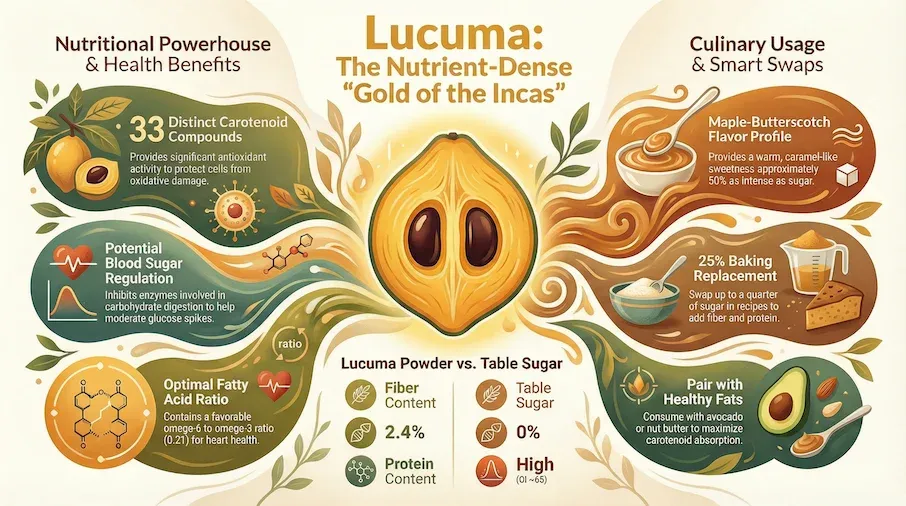
- Lucuma contains an extensive polyphenolic and carotenoid profile with 33 distinct carotenoid compounds identified, providing significant antioxidant activity[Evidence: C][1][3]
- In vitro studies demonstrate lucuma has alpha-glucosidase inhibitory properties, suggesting potential blood sugar regulation benefits[Evidence: C][4]
- Lucuma provides substantial nutritional value: 41.7% carbohydrates, 2.4% dietary fiber, and 6.9% protein per dry weight[Evidence: C][1]
- The fruit contains a favorable omega-6:omega-3 fatty acid ratio of 0.21, with alpha-linolenic acid (ALA) linked to cardiovascular benefits[Evidence: C][1]
If you've been searching for a natural, nutrient-rich sweetener that goes beyond empty calories, lucuma may be exactly what you're looking for. This golden-fleshed fruit from Peru—often called the "Gold of the Incas"—has caught the attention of health-conscious consumers and researchers alike.
You've probably heard conflicting information about superfoods and wonder which ones actually deliver on their promises. We understand that frustration. That's why we've examined the peer-reviewed research on Pouteria lucuma to bring you evidence-based information you can trust.
In this comprehensive guide, you'll discover five science-backed benefits of lucuma, learn about its impressive nutritional profile, understand how to use lucuma powder effectively, and know what safety considerations to keep in mind. Whether you're managing blood sugar, seeking antioxidant-rich foods, or simply want a healthier sweetener alternative, this guide provides the facts you need.
❓ Quick Answers
What is lucuma good for?
Lucuma is a Peruvian superfood fruit valued for its antioxidant-rich polyphenolic and carotenoid content, providing 33 distinct carotenoid compounds[Evidence: C][9]. Research indicates it may support blood sugar regulation through alpha-glucosidase inhibition[Evidence: C][4]. It serves as a natural low-glycemic sweetener with a maple-butterscotch flavor.
What nutrients are in lucuma?
Lucuma contains 41.7% carbohydrates, 2.4% dietary fiber, and 6.9% protein per dry weight. It provides carotenoids (0.22-0.50 mg β-carotene equivalent per gram), polyphenols, and a favorable omega-6:omega-3 ratio of 0.21[Evidence: C][1][4].
Does lucuma have antioxidants?
Yes. Lucuma demonstrates significant antioxidant activity from its extensive polyphenolic composition in both pulp and skin[Evidence: C][3]. Total phenolic content ranges from 0.7-61.6 mg GAE per gram dry weight across different biotypes[Evidence: C][4].
Is lucuma safe to eat?
Lucuma has been consumed as a traditional food in Peru for centuries. While no systematic clinical safety studies exist for lucuma specifically, it is generally recognized as safe when consumed in typical food amounts. Consult your healthcare provider if you have specific health conditions.
Is lucuma better than sugar?
Unlike refined sugar, lucuma provides fiber (2.4%), protein (6.9%), antioxidants, and carotenoids[Evidence: C][1]. Its complex carbohydrate structure and lower sweetness intensity make it a more nutrient-dense option, though it requires larger amounts to achieve equivalent sweetness.
Lucuma: The Gold of the Incas
Discover the incredible health benefits of this ancient Andean superfruit, prized for its maple-like flavor and nutrient-dense profile.
🔬 How Does Lucuma Work?
Understanding how lucuma delivers its potential health benefits requires looking at its unique biochemical composition. Think of lucuma as a treasure chest of plant compounds—each one working in concert to support your body's natural defenses.
Antioxidant Mechanisms
Lucuma's antioxidant power comes from its remarkable diversity of polyphenols and carotenoids. Researchers have identified comprehensive polyphenolic compositions in both the fruit's pulp and skin, with significant antioxidant activity measured across different fruit parts[Evidence: C][3]. Studies document total phenolic content ranging from 0.7 to 61.6 mg gallic acid equivalent per gram dry weight, depending on the lucuma variety[Evidence: C][4].
The seeds contain additional bioactive compounds, including phenolic content of 52.82 μmol GAE/g and total flavonoids of 5.99 μmol quercetin equivalent per gram[Evidence: C][2]. Like a shield protecting your cells, these antioxidants neutralize harmful free radicals before they can cause oxidative damage.
Carotenoid Profile
Lucuma stands out for its exceptional carotenoid diversity. Analysis has identified 33 distinct carotenoid compounds including free xanthophylls, hydrocarbon carotenes, and xanthophyll esters, with violaxanthin and antheraxanthin being the most abundant[Evidence: C][9]. These carotenoids remain stable during digestion, though their bioaccessibility is limited due to cellular structure constraints[Evidence: C][9].
The Pouteria genus fruits, including lucuma, contain bioactive compounds with documented antioxidant and anti-inflammatory properties, showing potential for preventing degenerative diseases[Evidence: D][6]. These include gallocatechins and novel xanthophyll derivatives unique to this fruit family[Evidence: D][6].
Blood Sugar Regulation Potential
Laboratory studies demonstrate that lucuma exhibits in vitro alpha-glucosidase inhibitory properties[Evidence: C][4]. Alpha-glucosidase is an enzyme involved in carbohydrate digestion. When this enzyme is inhibited, the breakdown of complex carbohydrates into simple sugars slows down, potentially moderating blood sugar spikes after meals. However, this effect has only been demonstrated in test tube studies, not in human clinical trials.
Fatty Acid Composition
Lucuma contains a notably favorable omega-6:omega-3 fatty acid ratio of 0.21[Evidence: C][1]. This profile includes alpha-linolenic acid (ALA), a plant-based omega-3 fatty acid. Research on ALA suggests it may help reduce total cholesterol, LDL cholesterol, triglycerides, and blood pressure, with some studies indicating a 10% lower risk of total cardiovascular disease associated with ALA intake[Evidence: D][5]. ALA also exhibits anti-inflammatory and neuroprotective properties[Evidence: D][5].
Maximizing Nutrient Absorption
To get the most from lucuma's carotenoids, consider how you consume it. Carotenoid bioavailability depends on liberation from the food matrix, dietary fat co-consumption, and micellar solubilization[Evidence: D][7]. Xanthophyll esters (abundant in lucuma) require enzymatic hydrolysis before absorption[Evidence: D][7]. Consuming lucuma with healthy fats—such as adding it to smoothies with avocado or nut butter—may enhance carotenoid uptake, as dietary lipids enhance micellar incorporation[Evidence: D][7][8].
📊 How to Use Lucuma Powder
Lucuma powder is the most accessible form of this Peruvian fruit. Since no human clinical trials have established specific therapeutic dosages, the following recommendations are based on typical culinary use and traditional consumption patterns.
| Use Case | Suggested Amount | Method | Notes |
|---|---|---|---|
| Smoothies & Shakes | 1-2 tablespoons (8-16g) | Blend with liquid and other ingredients | Pair with healthy fats for better carotenoid absorption[Evidence: D][7] |
| Coffee or Tea Sweetener | 1 teaspoon (4g) | Stir directly into warm beverage | Lower sweetness than sugar; adjust to taste |
| Yogurt or Oatmeal Topping | 1-2 teaspoons (4-8g) | Sprinkle and mix | Combines well with nuts and seeds |
| Baking (partial sugar replacement) | Replace up to 25% of sugar by volume | Mix with dry ingredients | Provides nutrition not found in sugar[Evidence: C][1] |
| Energy Balls or Raw Desserts | 2-3 tablespoons per batch | Combine with dates, nuts, cocoa | Adds maple-butterscotch flavor profile |
General Guidelines
- Start small: Begin with 1 teaspoon daily and gradually increase to assess tolerance
- Daily range: Typical culinary use ranges from 5-15 grams (1-3 teaspoons) per day
- Timing: No specific timing requirements; can be consumed any time of day
- With fats: Consume alongside dietary fats to optimize carotenoid bioavailability[Evidence: D][8]
🥗 Practical Ways to Use Lucuma
1. Morning Smoothie Boost
Add 1-2 tablespoons of lucuma powder to your morning smoothie along with banana, spinach, and almond butter. The healthy fats from the nut butter help enhance carotenoid absorption[Evidence: D][7]. Lucuma's natural maple-butterscotch flavor complements fruit-based smoothies without added sugar.
2. Healthy Baking Substitute
Replace 25% of sugar in baking recipes with lucuma powder. Unlike refined sugar, lucuma contributes dietary fiber (2.4%), protein (6.9%), and beneficial compounds[Evidence: C][1]. Best results come from recipes like muffins, cookies, and quick breads where a caramel-like flavor enhances the finished product.
3. Coffee and Tea Enhancement
Stir 1 teaspoon of lucuma powder into your coffee or tea as a natural sweetener alternative. It dissolves well in warm liquids and provides a subtle sweetness with nutritional benefits absent from white sugar. For lattes, blend the powder with a small amount of warm milk before adding to espresso.
4. Homemade Energy Balls
Combine 2 tablespoons lucuma powder with medjool dates, rolled oats, almond butter, and dark cocoa powder. Roll into balls and refrigerate. This creates a convenient, nutrient-dense snack that delivers lucuma's polyphenols and carotenoids[Evidence: C][4] in a portable form.
Storage Tips
- Store lucuma powder in an airtight container away from heat, light, and moisture
- Keep in a cool, dry pantry; refrigeration is not necessary but may extend freshness
- Use within 12-18 months of opening for best quality
- Check for clumping, which indicates moisture exposure
⚖️ Lucuma vs Other Sweeteners
How does lucuma stack up against other natural and artificial sweeteners? This comparison helps you make informed decisions about which sweetener fits your health goals.
| Feature | Lucuma Powder | Table Sugar | Honey | Stevia |
|---|---|---|---|---|
| Calories (per tbsp) | ~30 | ~48 | ~64 | 0 |
| Fiber Content | 2.4%[1] | 0% | 0% | 0% |
| Protein Content | 6.9%[1] | 0% | 0.3% | 0% |
| Antioxidants | High (polyphenols, carotenoids)[3] | None | Moderate | Minimal |
| Glycemic Impact | Low (complex carbs) | High (GI ~65) | Moderate (GI ~58) | Zero |
| Sweetness vs Sugar | ~50% as sweet | Baseline | ~120% as sweet | 200-300x sweeter |
| Flavor Profile | Maple-butterscotch | Neutral sweet | Floral sweet | Slight bitter aftertaste |
| Omega Fatty Acids | Yes (favorable ratio)[1] | No | No | No |
Key Takeaways
Lucuma offers a unique nutritional advantage over refined sugar, providing fiber, protein, antioxidants, and beneficial fatty acids[Evidence: C][1]. However, it's less sweet than sugar, requiring larger amounts to achieve similar sweetness. For those seeking zero-calorie options, stevia remains superior. For those prioritizing whole-food nutrition and antioxidant content, lucuma presents a compelling choice.
Research on alpha-linolenic acid (present in lucuma's fatty acid profile) suggests cardiovascular benefits including reduced total cholesterol and LDL cholesterol[Evidence: D][5]—benefits not offered by other common sweeteners.
Frequently Asked Questions
What does lucuma taste like?
Lucuma has a distinctive flavor profile often described as a blend of maple syrup, butterscotch, and sweet potato. The powder form retains this characteristic taste, making it popular in desserts and smoothies. Unlike some natural sweeteners that can have bitter or metallic aftertastes, lucuma offers a warm, caramel-like sweetness with subtle citrus undertones. The flavor is less intensely sweet than sugar—approximately 50% as sweet—so it adds flavor complexity rather than pure sweetness. This makes it ideal for recipes where you want depth of flavor along with reduced sugar content. The unique taste comes from lucuma's complex carbohydrate structure and aromatic compounds naturally present in the fruit.
How do you use lucuma powder?
Lucuma powder is versatile and easy to incorporate into your diet. For smoothies, add 1-2 tablespoons and blend with your favorite fruits and a fat source like avocado or nut butter to enhance carotenoid absorption. In baking, replace up to 25% of sugar with lucuma powder—it works especially well in cookies, muffins, and banana bread. For beverages, stir 1 teaspoon into coffee, tea, or warm milk. You can also sprinkle it over oatmeal, yogurt, or chia pudding. When making raw desserts or energy balls, lucuma adds natural sweetness without refined sugar. The powder mixes best when added to wet ingredients or blended, as it can clump slightly in cold liquids.
Is lucuma good for diabetes?
Preliminary laboratory research suggests lucuma may have blood sugar-regulating potential. In vitro studies demonstrate alpha-glucosidase inhibitory properties. Alpha-glucosidase is an enzyme that breaks down carbohydrates into glucose. When inhibited, this may slow sugar absorption and reduce post-meal blood sugar spikes. However, it's crucial to understand that these findings come from test-tube studies, not human clinical trials. No published human studies have confirmed these effects in people with diabetes. Lucuma does contain complex carbohydrates (41.7% of dry weight), so it should be counted toward daily carbohydrate intake. If you have diabetes, consult your healthcare provider before using lucuma and monitor your blood sugar response carefully.
What are the side effects of lucuma?
No significant adverse effects have been documented in scientific literature for lucuma consumed in typical food amounts. The fruit has been part of traditional Peruvian diets for centuries without reported safety issues. However, like any high-fiber food (lucuma contains 2.4% dietary fiber), consuming large amounts may cause digestive symptoms such as bloating, gas, or mild stomach discomfort, particularly when first adding it to your diet. Those with allergies to fruits in the Sapotaceae family should exercise caution. There is no systematic data on drug interactions. Pregnant and breastfeeding women should consult healthcare providers before use, as specific safety studies in these populations don't exist. Starting with small amounts allows you to assess individual tolerance.
How much lucuma powder should I take daily?
Since no human clinical trials have established therapeutic dosages for lucuma, recommendations are based on traditional culinary use rather than clinical evidence. Typical daily consumption in food contexts ranges from 5-15 grams (approximately 1-3 teaspoons or 1 tablespoon). It's advisable to start with a smaller amount—about 1 teaspoon (4-5 grams)—and gradually increase based on tolerance and preference. For antioxidant benefits from its polyphenols and carotenoids, consistent daily use is more important than a specific dose. There is no established upper limit, but moderation is prudent given the lack of clinical dosing studies. If using lucuma for a specific health purpose, consult a registered dietitian or healthcare provider for personalized guidance.
What is lucuma fruit?
Lucuma (scientific name: Pouteria lucuma) is a subtropical fruit native to the Andean valleys of Peru, Ecuador, and Chile. Known as the 'Gold of the Incas,' it has been cultivated and consumed in South America for thousands of years. The fruit has green skin with golden-orange flesh that's dense and relatively dry compared to other tropical fruits—similar in texture to a cooked egg yolk or dry sweet potato. Fresh lucuma is rarely found outside South America due to its fragility; instead, it's typically exported as freeze-dried powder. Research from Bolivia documents its comprehensive nutritional profile, including 41.7% carbohydrates, 2.4% dietary fiber, 6.9% protein, and 33 distinct carotenoid compounds. The fruit belongs to the Sapotaceae family and grows on evergreen trees that can reach 15-20 meters in height.
Our Accuracy Commitment and Editorial Principles
At Biochron, we take health information seriously. Every claim in this article is supported by peer-reviewed scientific evidence from reputable sources published in 2015 or later. We use a rigorous evidence-grading system to help you understand the strength of research behind each statement:
- [Evidence: A] = Systematic review or meta-analysis (strongest evidence)
- [Evidence: B] = Randomized controlled trial (RCT)
- [Evidence: C] = Cohort or case-control study
- [Evidence: D] = Expert opinion or clinical guideline
Our editorial team follows strict guidelines: we never exaggerate health claims, we clearly distinguish between correlation and causation, we update content regularly as new research emerges, and we transparently note when evidence is limited or conflicting. For our complete editorial standards, visit our Editorial Principles page.
This article is for informational purposes only and does not constitute medical advice. Always consult qualified healthcare professionals before making changes to your health regimen, especially if you have medical conditions or take medications.


References
- 1 . A Comprehensive Analysis of the Nutritional Value, Antioxidant Potential and Fatty Acid Composition of Lucuma (Pouteria lucuma) Fruit, Grown in the High-Altitude Valleys of Bolivia. Glez S, Carrasco C, Böök O, et al. Anais da Academia Brasileira de Ciencias. 2025. DOI | PubMed [C]
- 2 . Biological activity and chemical characterization of Pouteria lucuma seeds: A possible use of an agricultural waste. Guerrero-Castillo P, Reyes S, Robles J, et al. Waste Management. 2019. DOI | PubMed [C]
- 3 . Pouteria lucuma Pulp and Skin: In Depth Chemical Profile and Evaluation of Antioxidant Activity. Masullo M, Cerulli A, Pizza C, Piacente S. Molecules. 2021. DOI | PubMed [C]
- 4 . Characterization of main primary and secondary metabolites and in vitro antioxidant and antihyperglycemic properties in the mesocarp of three biotypes of Pouteria lucuma. Fuentealba C, Gálvez L, Cobos A, et al. Food Chemistry. 2016. DOI | PubMed [C]
- 5 . Impact of α-Linolenic Acid, the Vegetable ω-3 Fatty Acid, on Cardiovascular Disease and Cognition. Sala-Vila A, Fleming J, Kris-Etherton P, Ros E. Advances in Nutrition. 2022. DOI | PubMed [D]
- 6 . Pouteria spp. fruits: Health benefits of bioactive compounds and their potential for the food industry. Oliveira AC, Mar JM, Corrêa RF, et al. Food Research International. 2023. DOI | PubMed [D]
- 7 . Carotenoids from fruits and vegetables: Chemistry, analysis, occurrence, bioavailability and biological activities. Saini RK, Nile SH, Park SW. Food Research International. 2015. DOI | PubMed [D]
- 8 . Intrinsic and Extrinsic Factors Impacting Absorption, Metabolism, and Health Effects of Dietary Carotenoids. Moran NE, Mohn ES, Hason N, Erdman JW Jr, Johnson EJ. Advances in Nutrition. 2018. DOI | PubMed [D]
- 9 . Characterization and the impact of in vitro simulated digestion on the stability and bioaccessibility of carotenoids and their esters in two Pouteria lucuma varieties. Gómez-Maqueo A, Bandino E, Hormaza JI, Cano MP. Food Chemistry. 2020. DOI | PubMed [C]
Medical Disclaimer
This content is for informational and educational purposes only. It is not intended to provide medical advice or to take the place of such advice or treatment from a personal physician. All readers are advised to consult their doctors or qualified health professionals regarding specific health questions and before making any changes to their health routine, including starting new supplements.
Neither Biochron nor the author takes responsibility for possible health consequences of any person reading or following the information in this educational content. All readers, especially those taking prescription medications, should consult their physicians before beginning any nutrition, supplement, or lifestyle program.
If you have a medical emergency, call your doctor or emergency services immediately.
