
Diseases
11 Evidence-Based Facts About Hashimoto's Thyroiditis (Symptoms & Treatment 2025)

Prepared by: Biochron Editorial Team
What You Need to Know Right Now
- Hashimoto's thyroiditis is the leading cause of hypothyroidism in developed countries, affecting approximately 7.5% of adults globally[Evidence: A][1]
- Women are 7-10 times more likely to develop this autoimmune condition than men[Evidence: D][2]
- Levothyroxine remains the gold standard treatment with excellent long-term outcomes when properly managed[Evidence: D][3]
- 90% of patients test positive for thyroid peroxidase antibodies (TPO), making blood tests highly reliable for diagnosis[Evidence: D][2]
Introduction: Understanding Your Thyroid Health Concerns
If you've been experiencing unexplained fatigue, weight gain, or sensitivity to cold, you're not alone. Millions of people worldwide are living with Hashimoto's thyroiditis, often without realizing it. This autoimmune condition slowly damages your thyroid gland, leading to a cascade of symptoms that can significantly impact your quality of life.
The good news? With proper diagnosis and treatment, Hashimoto's disease is highly manageable. This comprehensive guide combines the latest medical research from 2025 with practical insights to help you understand this condition and take control of your thyroid health.
What Is Hashimoto's Thyroiditis?
Hashimoto's thyroiditis, also known as chronic lymphocytic thyroiditis or chronic autoimmune thyroiditis, is an autoimmune disorder where your immune system mistakenly attacks your thyroid gland.[Evidence: D][2]
The thyroid, a butterfly-shaped gland in your neck, produces hormones that regulate your metabolism, energy levels, and countless other bodily functions. In Hashimoto's disease, immune system cells create antibodies that target thyroid cells as if they were harmful invaders, gradually destroying the gland's hormone-producing capacity.[Evidence: D][3]
This process typically leads to hypothyroidism (underactive thyroid), though it progresses slowly over months or even years.
What Are the First Signs of Hashimoto's Disease?
Many people with Hashimoto's thyroiditis experience no symptoms in the early stages. As the disease progresses and thyroid hormone production declines, symptoms gradually appear.
Early warning signs include:
- Fatigue and sluggishness – Feeling tired despite adequate sleep
- Increased sensitivity to cold – Needing extra layers when others are comfortable
- Unexplained weight gain – Gaining weight despite no dietary changes
- Constipation – Digestive system slowing down
- Pale, dry skin – Changes in skin texture and appearance
- Puffy face – Particularly around the eyes
- Muscle weakness and aches – Especially in larger muscle groups
- Elevated blood cholesterol – Often detected during routine blood work
- Depression or mood changes – Feeling down or emotionally flat
- Goiter – Visible swelling at the base of your neck (often the first physical sign)[Evidence: D][2]
How Is Hashimoto's Thyroiditis Diagnosed?
Diagnosing Hashimoto's disease involves clinical evaluation combined with specific blood tests.[Evidence: A][4]
Diagnostic tests include:
- TSH (Thyroid-Stimulating Hormone) test – Elevated TSH indicates your thyroid isn't producing enough hormones
- T4 (Thyroxine) test – Low T4 levels confirm hypothyroidism originating from the thyroid itself
- TPO antibody test – Approximately 90% of Hashimoto's patients have elevated thyroid peroxidase antibodies[Evidence: D][2]
- Thyroglobulin antibody test – About 50% of patients test positive for these antibodies[Evidence: D][7]
- Thyroid ultrasound – Imaging to assess gland size and detect nodules if necessary
How Does Hashimoto's Disease Develop? The Scientific Mechanism
Think of your immune system as a highly trained security force designed to protect your body from invaders like bacteria and viruses. In Hashimoto's thyroiditis, this security system malfunctions and begins attacking the thyroid gland—essentially mistaking your own tissue for a foreign threat.
The attack unfolds in stages:
- Immune activation – T-lymphocytes (white blood cells) infiltrate the thyroid tissue, a process called lymphocytic infiltration[Evidence: D][2]
- Antibody production – Your immune system produces antibodies against thyroid peroxidase (TPO) and thyroglobulin, proteins essential for hormone production[Evidence: D][7]
- Cellular destruction – These antibodies and immune cells gradually destroy thyroid follicular cells
- Hormone depletion – As functional thyroid tissue diminishes, hormone production drops, leading to hypothyroidism
Why does this happen? Scientists believe Hashimoto's results from a complex interaction among genetic predisposition, environmental triggers, and epigenetic influences—though the exact cause remains unclear.[Evidence: A][4]
Treatment and Management: What Works Best?
Standard Treatment Protocol
Levothyroxine therapy remains the cornerstone of treatment for Hashimoto's disease-related hypothyroidism.[Evidence: D][3][Evidence: D][5]
| Treatment Aspect | Details |
|---|---|
| Medication | Levothyroxine (synthetic T4 hormone) |
| Typical Starting Dose | 1.6 mcg per kg body weight daily (adjusted individually) |
| Administration | Oral, once daily in the morning on an empty stomach |
| Initial Monitoring | TSH test 6-8 weeks after starting treatment |
| Long-term Monitoring | TSH test every 6 months, then annually once stable |
| Duration | Lifelong therapy in most cases |
| Prognosis | Excellent with proper management[Evidence: D][2] |
Emerging Treatment Options
Recent research has explored complementary approaches that may benefit some patients:
| Treatment | Evidence Level | Key Findings |
|---|---|---|
| Selenium supplementation | Strong (Meta-analysis)[Evidence: A][3] | Significantly reduces thyroid antibody levels, independent of baseline selenium deficiency |
| Low-dose naltrexone (LDN) | Preliminary | May reduce symptoms and antibodies in some patients; more research needed |
| Vitamin D | Moderate | Association between deficiency and disease severity; supplementation may help |
| Immunomodulatory biologics | Investigational | Rituximab, etanercept under study for refractory cases |
Important: These emerging treatments should only be considered under medical supervision and are not replacements for standard levothyroxine therapy.
Risks and Contraindications: Who Should Be Cautious?
Populations Requiring Special Attention
- Pregnant women – Hashimoto's is the most common autoimmune disease in pregnancy and requires careful thyroid monitoring[Evidence: C][8]
- People with cardiovascular disease – Starting levothyroxine too quickly can strain the heart
- Elderly patients – May require lower starting doses and gradual titration
- Individuals with adrenal insufficiency – Thyroid hormone replacement must be carefully coordinated
Potential Complications
Untreated Hashimoto's disease can lead to:
- Goiter – Enlarged thyroid causing neck discomfort or breathing difficulties
- Heart problems – Elevated cholesterol and increased heart failure risk
- Mental health issues – Depression, cognitive impairment
- Myxedema – Rare but life-threatening complication causing extreme hypothyroidism
- Birth defects – Untreated hypothyroidism during pregnancy increases risk of congenital abnormalities
- Infertility – Can affect reproductive function in both women and men
Practical Daily Living Tips for Hashimoto's Patients
Dietary Considerations
While there's no specific "Hashimoto's diet," certain dietary factors can affect treatment:
- Take levothyroxine properly – On an empty stomach, 30-60 minutes before breakfast
- Avoid interference – Calcium supplements, iron supplements, soy products, and high-fiber foods can reduce levothyroxine absorption if taken simultaneously
- Iodine awareness – Excessive iodine (from kelp, dulse, or iodine-rich supplements) may worsen hypothyroidism[Evidence: D][2]
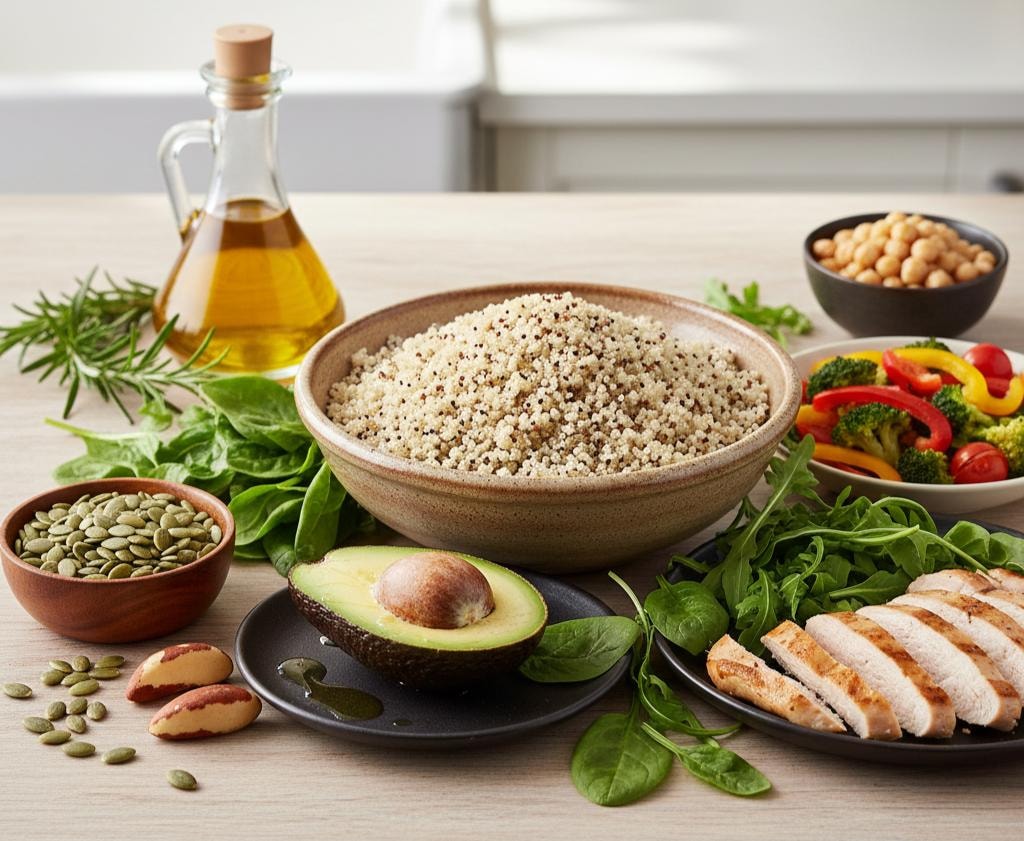
- Maintain balanced nutrition – Focus on whole foods, adequate protein, and nutrient-rich vegetables
Lifestyle Management
- Regular exercise – Helps combat fatigue and weight gain (start slowly and build gradually)
- Stress management – Chronic stress may trigger or worsen autoimmune responses
- Adequate sleep – Prioritize 7-9 hours of quality sleep nightly
- Regular monitoring – Keep all scheduled appointments and blood tests
Hashimoto's vs. Hypothyroidism: Understanding the Difference
Many people confuse these terms, but they're not interchangeable:
| Aspect | Hashimoto's Thyroiditis | Hypothyroidism |
|---|---|---|
| Definition | An autoimmune disease | A condition of low thyroid hormone |
| Relationship | The most common cause of hypothyroidism | The result of various conditions including Hashimoto's |
| Blood Markers | Elevated TPO and/or thyroglobulin antibodies | High TSH, low T4 (antibodies may or may not be present) |
| Other Causes | N/A (Hashimoto's is a specific disease) | Thyroid surgery, radiation, certain medications, iodine deficiency |
| Progression | Gradual autoimmune destruction over years | Varies depending on underlying cause |
Key takeaway: Hashimoto's thyroiditis is a disease process, while hypothyroidism is a state of low thyroid function. Hashimoto's is the leading cause of hypothyroidism in developed countries.[Evidence: D][2]
Frequently Asked Questions
Can Hashimoto's disease be cured?
Currently, there is no cure for Hashimoto's thyroiditis. It's a chronic, lifelong condition. However, the hypothyroidism it causes can be very effectively managed with levothyroxine replacement therapy. With proper treatment and monitoring, most people with Hashimoto's disease lead completely normal, healthy lives. The goal of treatment is not to cure the autoimmune process but to replace the thyroid hormones your body can no longer produce in sufficient quantities. Research into immunomodulatory therapies continues, but these remain investigational at this time.[Evidence: D][2]
Why do I still have symptoms despite normal thyroid levels?
This is a common and frustrating experience for many Hashimoto's patients. Recent research from 2025 shows that a substantial proportion of patients continue experiencing persistent symptoms even after achieving biochemical euthyroidism (normal thyroid hormone levels) with or without levothyroxine therapy.[Evidence: C][8] Possible explanations include: (1) Residual inflammation from the autoimmune process itself, (2) Extra-thyroidal manifestations of the disease affecting other organ systems, (3) Suboptimal T4 to T3 conversion in some individuals, (4) Coexisting conditions like vitamin D deficiency, iron deficiency, or sleep disorders, and (5) Individual variability in optimal TSH ranges. If you're experiencing this, discuss with your healthcare provider whether alternative treatment approaches might help, such as adjusting your levothyroxine dose, checking for nutritional deficiencies, or screening for other autoimmune conditions.
Can Hashimoto's thyroiditis lead to thyroid cancer?
The relationship between Hashimoto's thyroiditis and thyroid cancer is complex and has been the subject of extensive research. A 2021 meta-analysis examining this question found evidence suggesting an association between Hashimoto's and certain types of thyroid cancer, particularly papillary thyroid cancer and thyroid lymphoma.[Evidence: A][6] However, the absolute risk remains low. Most people with Hashimoto's disease will never develop thyroid cancer. Your healthcare provider will monitor your thyroid through regular physical exams and may order an ultrasound if they detect nodules or significant changes in your thyroid size. The key is regular follow-up care—not fear. If you notice rapid thyroid growth, difficulty swallowing, hoarseness, or a palpable lump, contact your doctor promptly.
Should I avoid iodine if I have Hashimoto's disease?
This is a nuanced question. You don't need to eliminate all iodine from your diet—iodine is an essential nutrient your body needs for thyroid hormone production. However, excessive iodine intake can worsen hypothyroidism in people with Hashimoto's disease.[Evidence: D][2] The key is moderation. Avoid high-dose iodine supplements and iodine-rich foods like kelp, dulse, and other sea vegetables unless specifically recommended by your healthcare provider. Normal dietary iodine from iodized salt and food sources is generally fine. If you're concerned, ask your doctor to check your iodine status and provide specific guidance for your situation. Remember that some medications and contrast dyes also contain significant iodine, so inform all healthcare providers about your Hashimoto's diagnosis.
Is Hashimoto's disease hereditary?
Yes, there is a significant genetic component to Hashimoto's thyroiditis. If others in your family have thyroid disorders or other autoimmune diseases, your risk of developing Hashimoto's increases.[Evidence: D][2] However, genetics alone don't determine whether you'll develop the disease—environmental factors and epigenetic influences also play crucial roles.[Evidence: A][4] If you have a family history of autoimmune thyroid disease, consider periodic thyroid screening, especially if you develop symptoms. Inform your children and siblings about the family history so they can discuss appropriate screening with their healthcare providers. Having a family history doesn't guarantee you'll develop Hashimoto's, but awareness enables early detection and treatment if it does occur.
What foods should I avoid with Hashimoto's disease?
There's no universally prescribed "Hashimoto's diet," and dietary recommendations should be individualized. However, certain considerations apply to most patients: (1) Timing matters more than specific foods—take levothyroxine 30-60 minutes before eating to ensure proper absorption, (2) Separate your thyroid medication from calcium supplements, iron supplements, and high-fiber meals by at least 4 hours, (3) Avoid excessive iodine from supplements or sea vegetables like kelp, (4) Some patients report benefits from reducing gluten, though evidence remains mixed and celiac disease should be ruled out first. Rather than focusing on restrictive elimination diets, emphasize nutrient-dense whole foods, adequate protein, fruits, vegetables, and
Our Accuracy Commitment and Editorial Principles
At Biochron, we take health information seriously. Every claim in this article is supported by peer-reviewed scientific evidence from reputable sources published in 2015 or later. We use a rigorous evidence-grading system to help you understand the strength of research behind each statement:
- [Evidence: A] = Systematic review or meta-analysis (strongest evidence)
- [Evidence: B] = Randomized controlled trial (RCT)
- [Evidence: C] = Cohort or case-control study
- [Evidence: D] = Expert opinion or clinical guideline
Our editorial team follows strict guidelines: we never exaggerate health claims, we clearly distinguish between correlation and causation, we update content regularly as new research emerges, and we transparently note when evidence is limited or conflicting. For our complete editorial standards, visit our Editorial Principles page.
This article is for informational purposes only and does not constitute medical advice. Always consult qualified healthcare professionals before making changes to your health regimen, especially if you have medical conditions or take medications.
References
- 1 . A Scoping Review on the Prevalence of Hashimoto's Thyroiditis and the Possible Associated Factors, MDPI, 2025
- 2 . Hashimoto Thyroiditis - StatPearls, NCBI Bookshelf, Updated February 2025
- 3 . Selenium supplementation in the treatment of Hashimoto's thyroiditis: A systematic review and meta-analysis, PubMed, 2024
- 4 . Hashimoto thyroiditis: An evidence-based guide to etiology, diagnosis and treatment, PMC, March 2022
- 5 . Guidelines for the Treatment of Hypothyroidism: American Thyroid Association Task Force, PMC, 2017
- 6 . Is Hashimoto thyroiditis associated with increasing risk of thyroid malignancies? A systematic review and meta-analysis, PubMed, 2021
- 7 . WHO International Standards for Thyroglobulin Antibodies, WHO, 2024
- 8 . Persistent symptoms in euthyroid Hashimoto's thyroiditis, PubMed, 2025
Medical Disclaimer
This content is for informational and educational purposes only. It is not intended to provide medical advice or to take the place of such advice or treatment from a personal physician. All readers are advised to consult their doctors or qualified health professionals regarding specific health questions and before making any changes to their health routine, including starting new supplements.
Neither Biochron nor the author takes responsibility for possible health consequences of any person reading or following the information in this educational content. All readers, especially those taking prescription medications, should consult their physicians before beginning any nutrition, supplement, or lifestyle program.
If you have a medical emergency, call your doctor or emergency services immediately.